Bee Life (Bijenleven)
Welcome to Bee Life (Bijenleven)#
Bijenleven is my personal space to share everything related to honey bees, beekeeping and nature. Whether you are an experienced beekeeper, just starting out, or simply curious about these fascinating creatures — here you will find stories, tips and background information.
Why bees?#
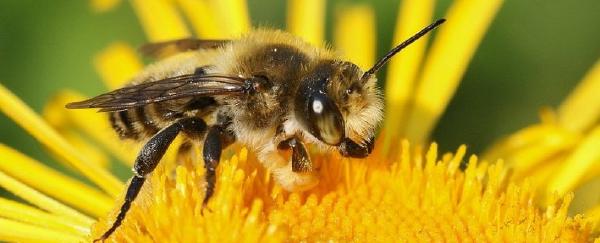
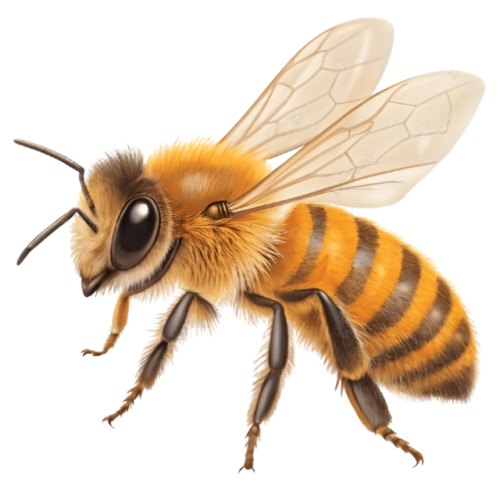
Honey bees are indispensable to our ecosystem. Without pollination by bees, bumblebees and other insects, a large part of our food production would grind to a halt. Apples, strawberries, courgettes, coffee, almonds — all dependent on pollinators. In addition to their ecological value, honey bees also produce wonderful products: honey, propolis, beeswax and pollen.
But bees are under pressure worldwide. Loss of flower-rich habitats, diseases such as the Varroa mite, and the use of pesticides mean that both honey bees and wild bees are struggling. As a beekeeper you can make a direct contribution to the preservation of these special animals.
Beekeeping in the Netherlands#
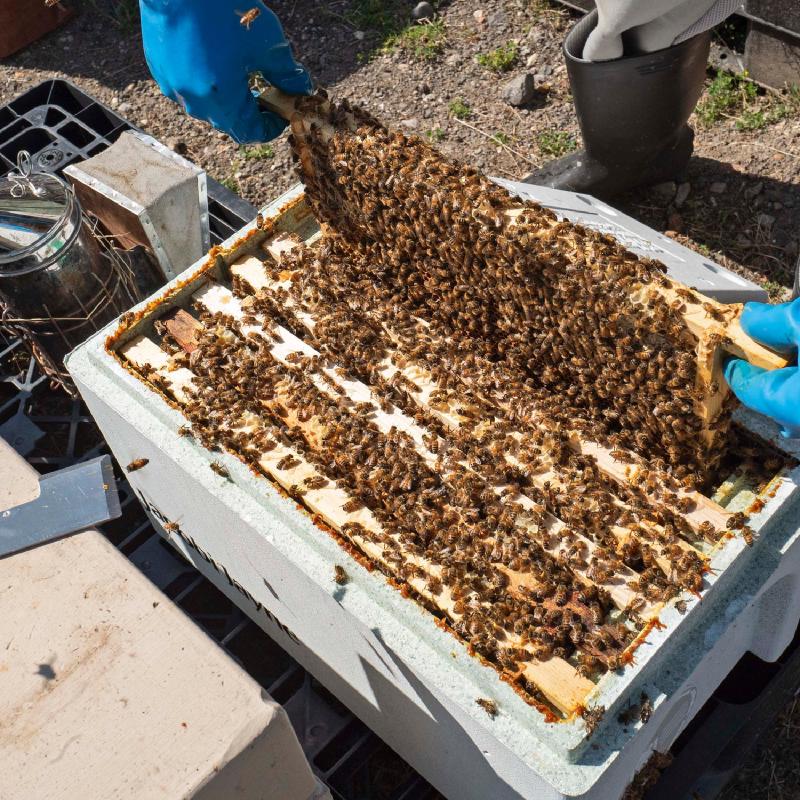
In the Netherlands, the Nederlandse Bijenhoudersvereniging (NBV) is the largest association for beekeepers. The NBV supports beginning and experienced beekeepers with courses, publications and a network of local branches throughout the country. For those who want to start, the NBV’s basic beekeeping course is highly recommended — you learn everything about bee colonies, the beekeeping year, disease control and harvesting honey.
Other useful organisations:
- Nederlandse Bijenhoudersvereniging (NBV)
- Bijen@wur — bee research at Wageningen University & Research
- De Vlinderstichting — for wild bees and pollinators in general
- Nederlands Instituut voor Ecologie (NIOO-KNAW)
What can you do yourself?#
You don’t have to become a beekeeper to help bees. A few simple steps already make a difference:
- Plant bee-friendly flowers — choose native, nectar- and pollen-rich species such as lavender, clover, phacelia, wild marjoram and ivy.
- Leave a patch of garden “messy” — wild bees love to nest in hollow stems, sandy spots and old wood.
- Avoid pesticides — especially neonicotinoids are disastrous for pollinators.
- Buy local honey — support beekeepers in your neighbourhood.
Follow the journey#
On this site I share my experiences as a beekeeper, practical guides and observations from nature. Browse the articles for in-depth stories, or read more about me.